The Forbidden Island
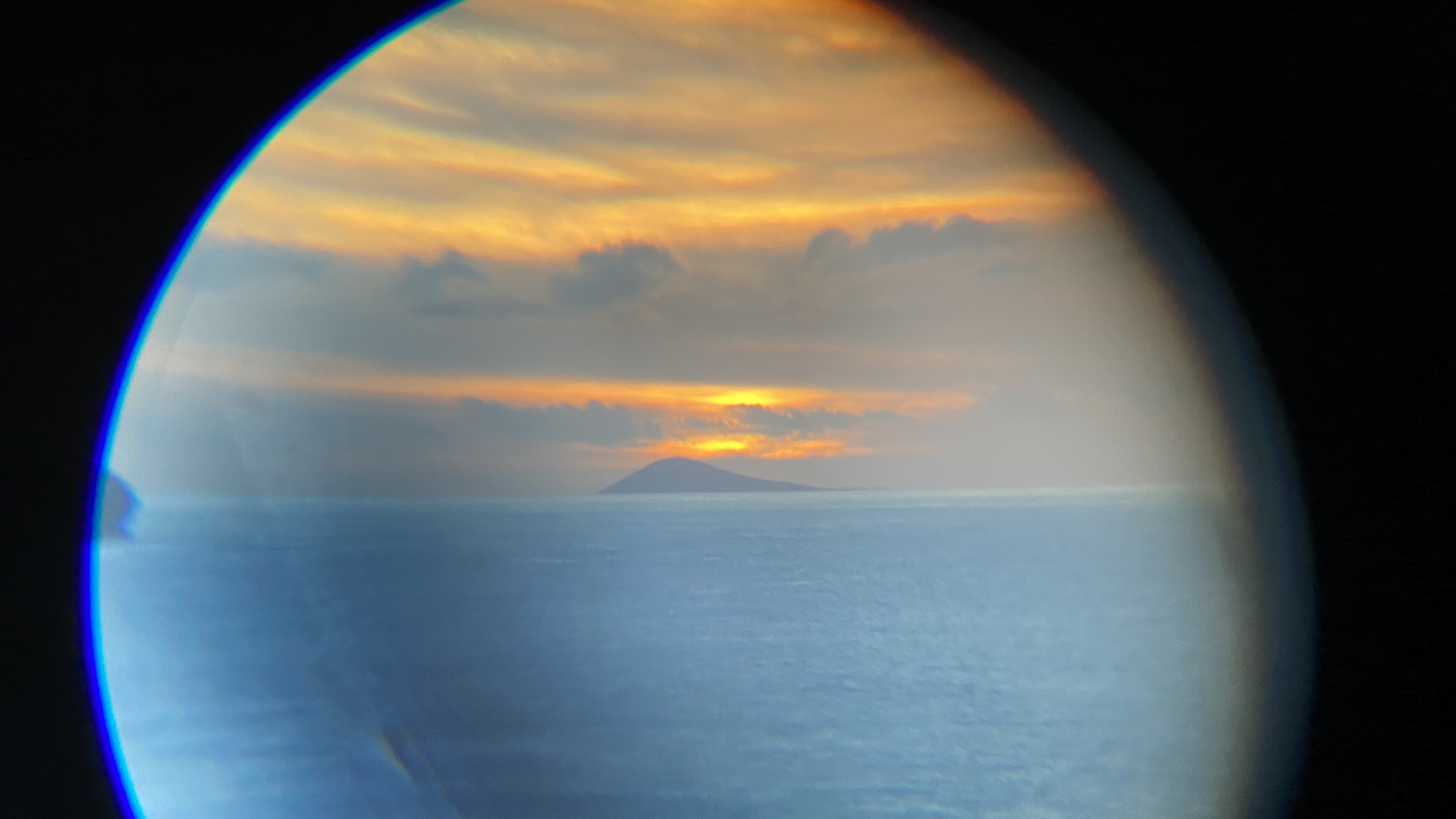
Ni’ihau
Please pardon the pronunciation of some of the words.
– A Tapestry of Tradition and Modern Encounters
Off the western shores of Kauaʻi, beyond the golden sands of Polihale and the towering cliffs of Kalalau, lies Niʻihau, often referred to as The Forbidden Island. This secluded isle remains a bastion of traditional Hawaiian culture, largely untouched by modernity. Its isolation has preserved its unique heritage, but it also occasionally intersects with contemporary events, highlighting the delicate balance between preservation and external curiosity.
A Recent Encounter: Swimmers from Polihale to Niʻihau
In a notable incident, a group of swimmers embarked on a challenging journey from Polihale Beach on Kauaʻi to the shores of Niʻihau. After nearly ten hours navigating the treacherous Kaulakahi Channel, they reached the rugged coastline of Niʻihau. Upon arrival, they were met by a local resident bearing a rifle and a woman with a camera, signaling the island’s firm stance on unauthorized access. No threats were made, but the message was clear: Niʻihau’s privacy is to be respected. The swimmers promptly returned to their escort boat and made their way back to Kauaʻi. citeturn0search4
Preserving Cultural Heritage Amid Modern Pressures
Niʻihau’s seclusion has been both a blessing and a challenge. The island’s population has been declining, with current estimates suggesting fewer than 70 full-time residents. This decrease is attributed to limited economic opportunities and the allure of modern amenities elsewhere. The traditional art of crafting Niʻihau shell leis, particularly from the rare Kehelelani shells, remains a vital cultural practice and a primary source of income for many residents. However, as younger generations seek opportunities beyond the island, the transmission of this intricate craft faces uncertainty. citeturn0search1
Modern Challenges and External Pressures
Beyond cultural preservation, Niʻihau faces external challenges. The U.S. Navy has proposed increasing its training exercises on the nearby uninhabited islet of Lehua, raising concerns about environmental impacts and the potential disturbance to Niʻihau’s tranquility. Additionally, the Kauaʻi County Council has passed tax incentives aimed at supporting Niʻihau’s landowners, acknowledging the unique challenges of maintaining the island’s traditional lifestyle in the face of modern economic pressures. citeturn0search5turn0search11
A Delicate Balance
Niʻihau stands as a testament to the resilience of Hawaiian culture, maintaining traditions that have faded elsewhere. Yet, incidents like the swimmers’ unauthorized landing and external pressures underscore the ongoing tension between preserving this cultural sanctuary and navigating the realities of the modern world. The island’s story is a poignant reminder of the challenges inherent in safeguarding cultural heritage amidst an ever-encroaching contemporary landscape.
Learn More About Niʻihau
×
Niʻihau: The Forbidden Island
Niʻihau, often called the Forbidden Island, remains one of the most secluded places on Earth. Some see its isolation as a way to protect Hawaiian culture, while others argue that it restricts opportunity and access.


To many, Niʻihau is a sanctuary of old Hawaii. The Robinson family, who have owned the island since 1864, continue to uphold a promise to keep Niʻihau untouched by modern influence. Here, Hawaiian remains the first language, traditional practices thrive, and the land remains free from the overwhelming effects of tourism.


But others believe this isolation has unintended consequences. With no modern economy, no hospitals, and limited educational resources, many residents leave for Kauaʻi or Oʻahu in search of better opportunities. Some ask—how can a culture survive if its people must leave to sustain themselves


From a sovereignty perspective, Niʻihau stands as a place where colonization never fully took hold. It represents resistance, a land where Hawaiian identity remains intact. Yet the debate lingers—should cultural preservation mean complete separation from the outside world


Environmentalists see another side. With minimal human impact, Niʻihau has become a refuge for endangered species, a living testament to what Hawaii once was. Its isolation has, in many ways, shielded it from destruction.


So, is Niʻihau an untouched paradise, or a place locked away from progressThe answer may depend on where you stand, and what you value most.
/* Center the Button / .modal-button-container { display: flex; justify-content: center; align-items: center; height: 100vh; / Centers it on full viewport */ }
/* Button - Modern Gradient */ .custom-modal-trigger { background: linear-gradient(90deg, #3c1053, #ff5e62); color: white; font-size: 18px; padding: 12px 24px; border: none; border-radius: 8px; cursor: pointer; transition: transform 0.2s ease, box-shadow 0.3s ease-in-out; }
.custom-modal-trigger:hover { transform: scale(1.05); box-shadow: 0 0 15px rgba(255, 94, 98, 0.8); }
/* Modal Background - Hidden by Default / .custom-modal { display: none; / Ensures it does NOT open on page load */ position: fixed; z-index: 1000; left: 0; top: 0; width: 100%; height: 100%; background: rgba(0, 0, 0, 0.85); backdrop-filter: blur(8px); justify-content: center; align-items: center; }
/* Modal Content - Fully Centered & Smooth Animation / .custom-modal-content { background: linear-gradient(135deg, #ff8c00, #ff5e62, #3c1053); color: #ffffff; padding: 30px; width: 90%; max-width: 600px; border-radius: 14px; text-align: center; box-shadow: 0 0 25px rgba(255, 94, 98, 0.6); transform: scale(0.8); / Starts small / opacity: 0; / Starts invisible */ transition: transform 0.3s ease-out, opacity 0.3s ease-out; }
/* Close Button */ .custom-close { float: right; font-size: 28px; font-weight: bold; color: #ffffff; cursor: pointer; transition: color 0.3s ease-in-out; }
.custom-close:hover { color: #ffcc00; }
/* Open Modal Animation */ .custom-modal.show { display: flex; }
.custom-modal-content.show { transform: scale(1); opacity: 1; }
document.addEventListener(‘DOMContentLoaded’, function() { var modal = document.getElementById(‘customModal’); var openModalBtn = document.getElementById(‘openModal’); var closeModalBtn = document.querySelector(’.custom-close’);
// Show modal with animation
openModalBtn.addEventListener('click', function() {
  modal.classList.add('show');
  setTimeout(() => {
    document.querySelector('.custom-modal-content').classList.add('show');
  }, 50); // Delay for smooth effect
});

// Close modal with animation
function closeModal() {
  document.querySelector('.custom-modal-content').classList.remove('show');
  setTimeout(() => {
    modal.classList.remove('show');
  }, 200); // Delay for smooth closing
}

closeModalBtn.addEventListener('click', closeModal);

// Close modal when clicking outside content box
window.addEventListener('click', function(event) {
  if (event.target === modal) {
    closeModal();
  }
});
});